Appropriators Drive Conversation on Preventing Government Shutdowns
Washington, D.C. – The power of the purse is a fundamental responsibility – the Founders made that unmistakably clear in Article I. Yet, too many members have disregarded and obstructed that mandate, which was never intended to become a partisan bargaining chip or a casualty of political dysfunction. After Senate Democrats instigated the two longest government shutdowns in American history, broke bipartisan and bicameral funding agreements, and forced reconciliation pathways simply to fund certain agencies, there is no denying that the American people – and this institution – deserve better.
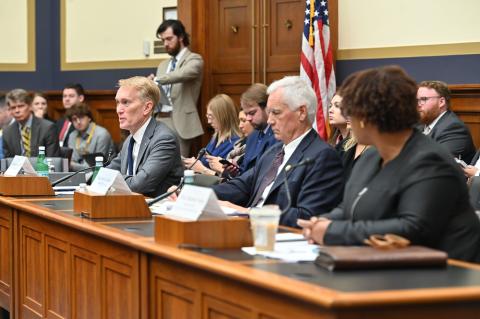
House Republican Appropriators refuse to accept government shutdowns as business as usual. This week, Chairman Cole convened all committee members to renew attention on the consequences of lapses. The hearing titled "Funding Lapses: Analyzing Shutdown Reform," elevated a conversation that Congress too often postpones until the brink of a funding deadline, examined reform proposals, and reinforced the need for a more stable, predictable process in both chambers.
While the House Appropriations Committee hasn't wavered from its work – advancing all twelve annual appropriations bills through the full committee, moving individual funding bills and conference packages, and repeatedly voting to prevent and ultimately end government shutdowns instigated by partisan politics – Article I cannot be upheld by the House alone. Congress, as a whole, cannot expect to preserve its constitutional prerogatives while repeatedly allowing political posturing to replace good governance. Every manufactured funding crisis chips away at the institution's credibility and its constitutional role.
Read on for some member highlights and perspectives from the hearing:
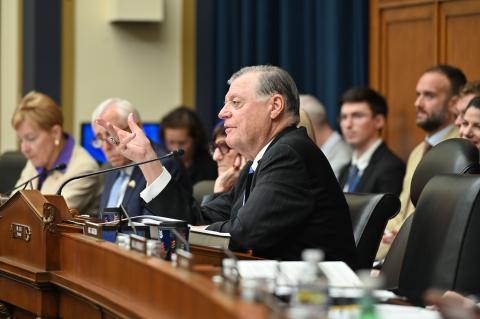
House Appropriations Committee Chairman Tom Cole opened the hearing by focusing on the broader structural failures that contribute to funding delays, arguing that responsibility extends beyond the Appropriations Committee. He questioned how Congress can complete its work when the President's budget and congressional budget resolution routinely arrive late, and he also raised constitutional questions about whether Congress can statutorily require changes to Senate procedures. Chairman Cole emphasized that appropriators often shoulder the blame for a process held up elsewhere, observing, "We've got other players in this that set us behind and make life very difficult."
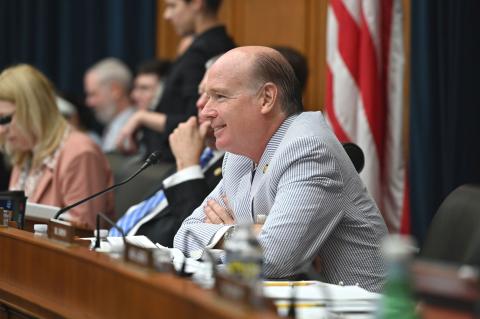
LHHS Subcommittee Chairman Robert Aderholt focused his questioning on the structural issues that contribute to government shutdowns, examining both the relationship between authorizing committees and appropriators, in addition to the procedural differences between the House and Senate. Focusing on the broader institutional challenge, Aderholt asked Sen. Lankford, "How do you see the shutdown dynamics play out differently from your perspective in the House and now being in the Senate?"
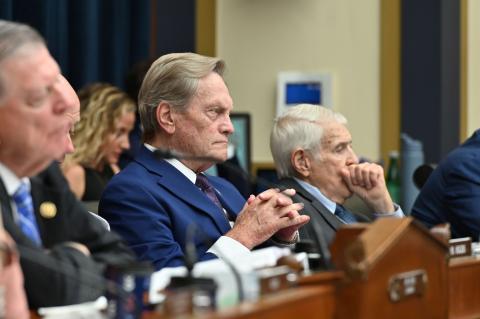
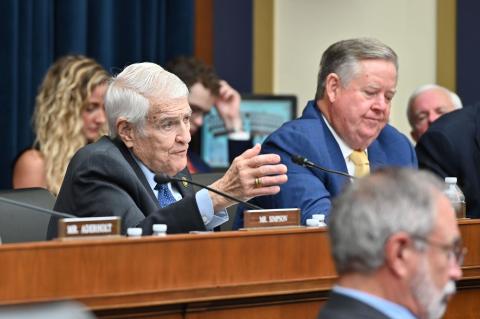
Interior and Environment Subcommittee Chairman Mike Simpson focused on restoring regular order as the key to preventing government shutdowns, arguing that Congress must return to passing budget resolutions and completing appropriations on time. He also stressed the importance of compromise and greater accountability from authorizing committees, warning that narrow majorities have made governing more difficult. As Simpson put it, "Too many people in Congress, frankly, have forgotten what the word compromise is...That's what this place operates on – or should."
Military Construction and Veterans Affairs Subcommittee Chairman John Carter emphasized the constitutional responsibility of Congress to fund the government while highlighting the real-world consequences of shutdowns for federal workers and contractors. Drawing on his experience as a judge, he argued that government functions depend on consistent adherence to the law and asked how proposed shutdown reforms would protect civilian employees and contractors, particularly those supporting military installations, from funding disruptions. Carter stated the issue simply: "I think we can all agree that Congress has a basic duty to fund the government. That's why we're here."
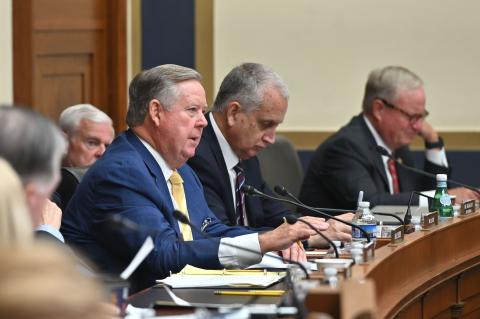
Defense Subcommittee Chairman Ken Calvert focused on the national security consequences of failing to implement full-year, stable appropriations, arguing that governing through last-minute stopgaps and shutdown threats undermines military readiness and weakens Article I authority. He called for a return to regular order and urged lawmakers to seriously consider reforms. Calvert warned, "This is a problem within the family... we have to come to a determination that this cannot continue."
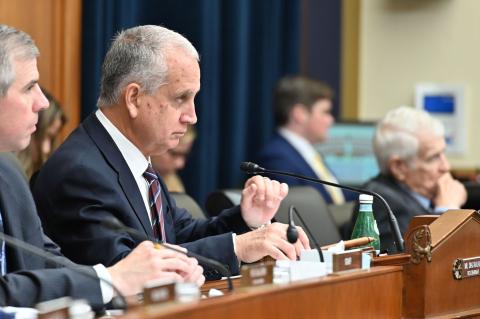
Vice Chairman and NSRP Subcommittee Chairman Mario Díaz-Balart focused on ensuring any shutdown reform creates stronger incentives to govern rather than new opportunities for political theater. While acknowledging the appeal of "off ramps" to avoid shutdowns, he cautioned that lawmakers could exploit them instead of completing the appropriations process. As he put it, "There are some folks who are less interested in getting the job done, more interested in just... being celebrities."
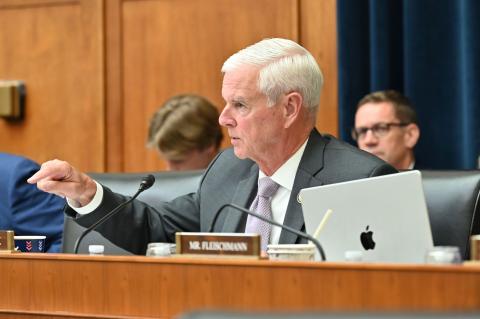
Transportation and Housing Subcommittee Chairman Steve Womack argued that Congress's inability to complete its most basic constitutional responsibility – funding the government – is both embarrassing and in need of structural reform. He praised proposals to streamline Senate consideration of appropriations bills and highlighted his own support for a biennial budgeting process as a way to improve the congressional calendar and reduce recurring funding crises. Womack underscored the urgency of reform, calling it "a shame... that the legislative body of this country... is having this conversation 250 years after we were founded."
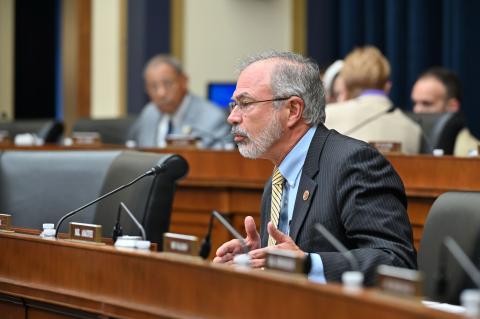
Agriculture, Food and Drug Administration Subcommittee Chairman Andy Harris argued that the budget process requires more than incremental fixes. He maintained that the federal government has grown too large and complex for the current annual budgeting system. Harris summed up his view bluntly: "We're just applying a tourniquet to a hemorrhaging wound.”
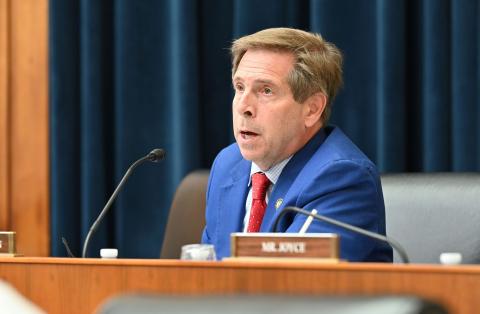
Energy and Water Development Subcommittee Chairman Chuck Fleischmann focused on the need for lasting reforms to prevent government shutdowns while ensuring Congress remains accountable for completing the appropriations process. He asked how the shutdown landscape has evolved over the past decade and questioned whether accountability measures tied to funding reforms could help keep lawmakers focused on finishing their work. As Fleischmann stated, "I firmly believe that we should never shut the federal government down... It's just wrong to the American people."
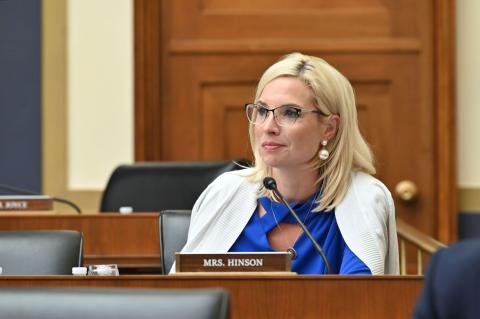
Rep. Ashley Hinson focused on the practical and economic consequences of government shutdowns, emphasizing the disruption they cause for federal agencies, workers, and the public. She asked former OMB Director Shalanda Young to explain the behind-the-scenes planning required even when a shutdown is only threatened, highlighting the costs, inefficiencies, and strain placed on essential services. Hinson stressed that Congress should work toward reforms that end the cycle of funding crises, saying, "I know that we've talked about the cost of government shutdowns. They do cost a significant amount of money. They're fiscally irresponsible, and they're inefficient."
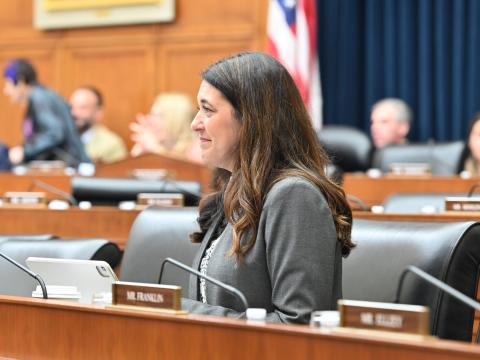
Rep. Stephanie Bice emphasized the real-world impact of government shutdowns on federal employees and their families, arguing that funding lapses create unnecessary financial uncertainty even when workers eventually receive back pay. Reflecting on the burden shutdowns place on workers, Bice shared a constituent's concern: "I had a constituent stop me in the airport, and he said his son had taken a job a few months earlier with the TSA, and he was wondering why his son would do a job where a paycheck isn't guaranteed."
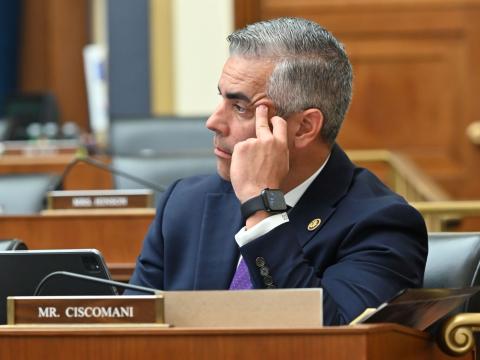
Rep. Juan Ciscomani focused on the need to reform the incentives surrounding government shutdowns, arguing that the consequences should fall on Congress, not the American people. Reflecting on his experience during multiple past funding crises, he said the current guardrails are no longer sufficient because the culture around shutdowns has changed, and he asked what reforms could restore accountability and prevent a small group of lawmakers from driving funding lapses. As Ciscomani put it, "The pain of a shutdown should be felt primarily by this body and not by the people at home, because they're not the ones that have failed."
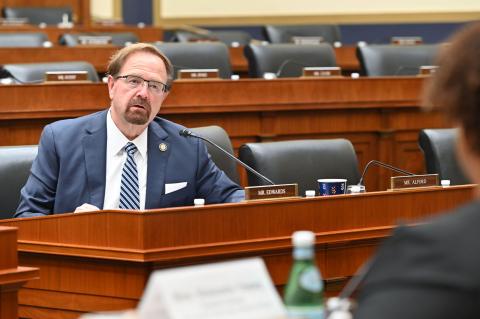
Rep. Chuck Edwards focused on the impact government shutdowns have on disaster recovery efforts, drawing on Western North Carolina's recovery from Hurricane Helene to illustrate how funding lapses disrupt assistance for communities in crisis. He argued that political brinkmanship has real consequences for constituents trying to rebuild and criticized lawmakers who support additional disaster aid while also allowing shutdowns, saying, "I've seen what happens in a government shutdown... money that was due to folks looking to recover was brought to a halt."
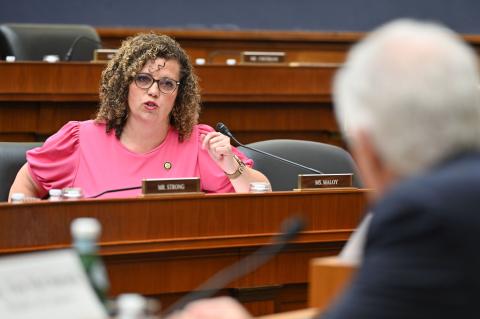
Rep. Celeste Maloy focused on preserving congressional accountability in the appropriations process, arguing that annual funding bills force lawmakers to justify spending decisions to taxpayers each year. She questioned whether procedural reforms could improve the process without weakening that accountability and asked how Congress could better communicate the work that goes into drafting appropriations bills. Maloy summarized her concern by saying, "The process of how we do that is only supposed to be a means to an end... the means has become the end."
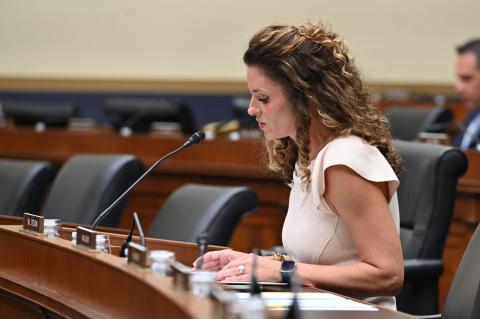
Rep. Julia Letlow closed out the hearing by emphasizing the need to strengthen congressional accountability during government shutdowns, arguing that lawmakers should share in the consequences of funding lapses rather than continue receiving pay while federal employees go without. She asked whether measures such as withholding members' salaries should be part of broader shutdown reform efforts aimed at restoring public trust in the appropriations process. As Letlow stated, "I know the American people expect us to do our job, and when we shut this place down, I just believe that we should not receive a paycheck."
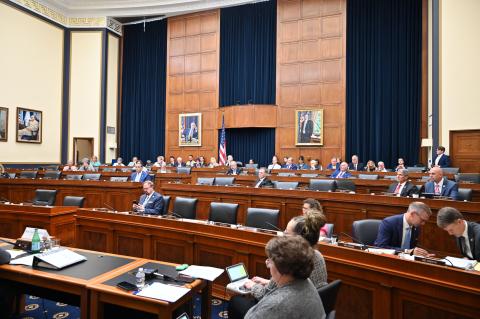
The bottom line is simple: Government shutdowns are not inevitable – they are the product of choices. This hearing made clear that while members may differ on the specific reforms, there is broad recognition that Congress can and must do better. Protecting the power of the purse requires more than meeting the next funding deadline – it requires restoring a process that rewards responsibility over brinkmanship, results over political theatrics, and regular order over governing by crisis. House Republican Appropriators remain committed to advancing that effort and ensuring government funding leaves the nation stronger, more secure, and better prepared for the challenges ahead.
###
