Empowering Students to Achieve Success
Washington, D.C. – ICYMI: The Subcommittee on Labor, Health and Human Services, Education, and Related Agencies hosted a hearing on the benefits provided by community colleges and other alternatives to a four-year degree.
With a modern and evolving workforce, labor demands aren't what they were 20 years ago. Four-year degrees aren't required for many high-paying, quality careers. Appropriators heard from expert witnesses about the innovative programs and partnerships they have developed to educate and train students for promising careers, including doing so without any added student debt burden.
Witnesses included:
- Dr. Patricia G. Sims, President, Drake State Community & Technical College
- Dr. Brad Hall, President, Blackfeet Community College
- Mr. Shawn M. Morgan, Vice President of Workforce and Strategic Initiatives, Bevill State Community College
- Shalin Jyotishi, Founder and Managing Director, Future of Work and Innovation Economy Initiative, New America
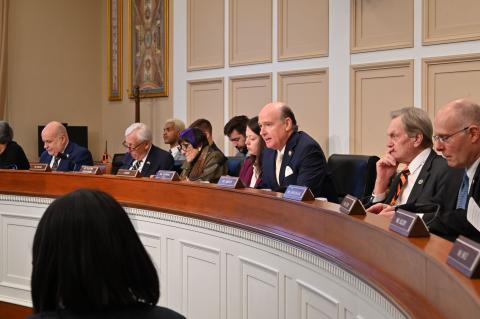
Labor, Health and Human Services, Education, and Related Agencies Subcommittee Chairman Robert Aderholt (R-AL) said, "The secret is clearly out about the value that community colleges deliver for their students and local economies. According to the National Student Clearinghouse, community college enrollment grew 3% in fall 2025, double the 1.4% increase at public four-year colleges. Enrollment increased 1.9% in certificate programs and by 2.2% in associate’s degree programs, faster than the approximately 1% increase for bachelor’s programs. It’s clear that many students are eager to enter or re-enter the workforce more quickly after getting the necessary skills and training, in less time and for less money than required of a traditional four-year degree. That should not come as a big surprise, as more Americans are questioning what exactly they are getting from college."
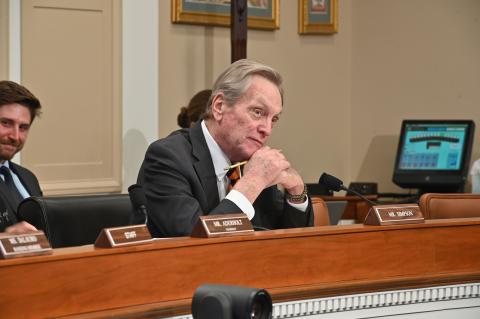
Rep. Mike Simpson (R-ID) said, "If there's one word I could put to your testimonies, it's called passion. You all seem very passionate about community college and the job that you do – and you're right, you're an essential part of the education system in this country. We talked mostly about preparing people for jobs, but you do more than that, though. You prepare students for further education beyond just the community college."
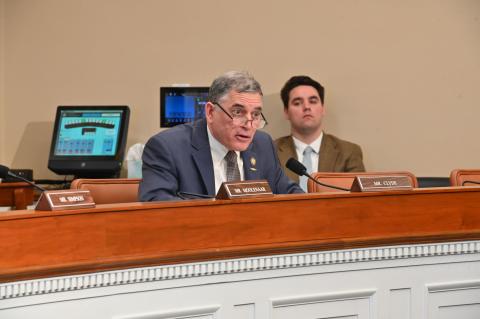
Rep. Andrew Clyde (R-GA) said, "At the same time that we are seeing incredible ROI from community colleges, for decades, federal higher education spending in four-year institutions has grown dramatically, saddling students with debt and degrees that do not necessarily translate into jobs. Taxpayers deserve to know that every dollar appropriated strengthens workforce participation, supports high-demand industries, and enhances American self-reliance – not bureaucracy. So we must focus on what works. State-led initiatives, strong partnerships with employers, flexible pathways like short-term credentials and apprenticeships, and accountability tied to tangible results such as employment rates, wage gains, and filling critical labor shortages in trades, health care, manufacturing, and energy."
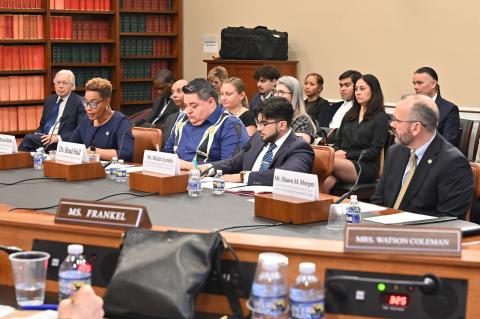
As the witnesses reiterated throughout the hearing, community colleges play an essential role in connecting students with educational opportunities and preparing them for meaningful roles in the workforce. The information and testimony gathered in this hearing will help inform investments and priorities as we begin the FY27 appropriations process.
###
