The Purse and the Gavel: Appropriators Review the Supreme Court's FY27 Budget Priorities
Washington, D.C. – The Founders gave Congress the purse and the judiciary the rule of law gavel. Those constitutional responsibilities came together as the House Appropriations Committee reviewed the Supreme Court's Fiscal Year 2027 budget request with Justices Elena Kagan and Amy Coney Barrett, marking the first SCOTUS hearing appearance since 2019.
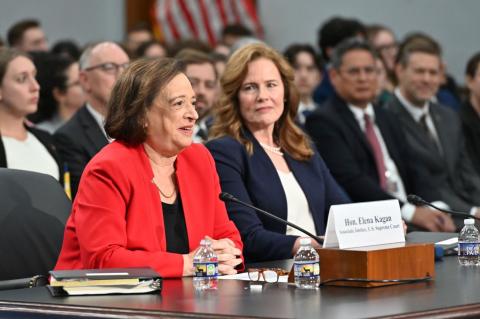
Discussions centered on security, infrastructure, and technology modernization, staffing and support resources, and ensuring the federal courts remain equipped to administer justice efficiently and effectively. Appropriators, led by FSGG Subcommittee Chairman Dave Joyce (R-OH), reinforced a transparent, accountable appropriations process that reviews priorities, evaluates needs, and exercises Article I.
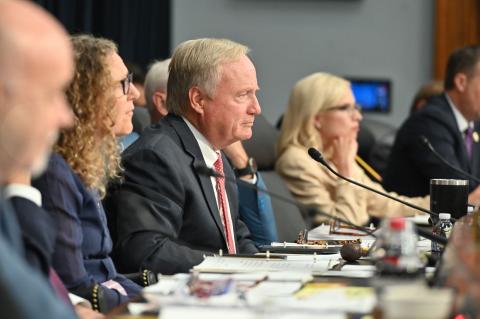
"Would you talk about how the volume and nature of threats against the Court have changed over the past several years? Has the threat environment changed in 2026, and what do you believe is driving that trend?" asked FSGG Subcommittee Chairman Dave Joyce. Through the Court's FY27 budget request, Joyce examined how security investments are being prioritized to counter increasingly sophisticated threats and whether the federal agencies charged with protecting the justices are equipped and coordinated to meet the mission.
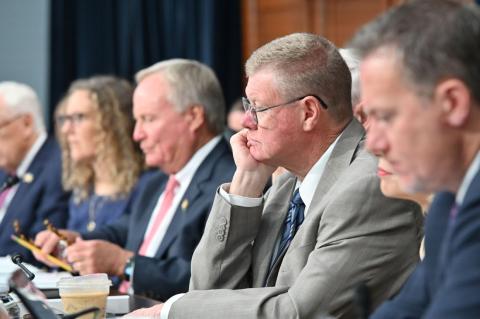
Rep. Mark Amodei briefly shifted the hearing from security to the Supreme Court's day-to-day operations, noting that while security is appropriately the top budget priority, Congress also needs to understand how the judiciary itself is functioning. He asked the justices to provide a broad overview of the Court's workload to give lawmakers context in evaluating the budget request.
"It's of utmost importance that you can do that and feel safe and that you're getting adequate law enforcement response on the ground, no matter where you're having those conversations," said Rep. Ashley Hinson, as she touched on practical challenges of protecting Supreme Court justices beyond the Court's grounds and ensuring the Supreme Court Police can recruit and retain the personnel needed to meet those demands. Drawing parallels to rising threats faced by public figures and their families, she asked how the Court coordinates with the U.S. Marshals Service and local law enforcement when justices travel for speeches, teaching engagements, and other public appearances.
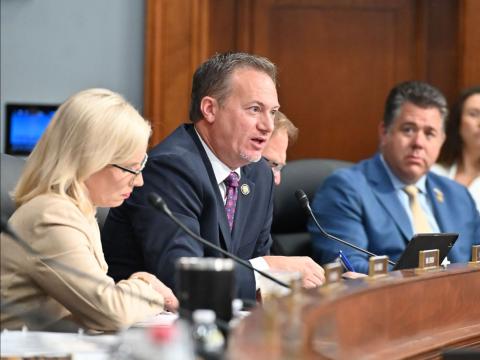
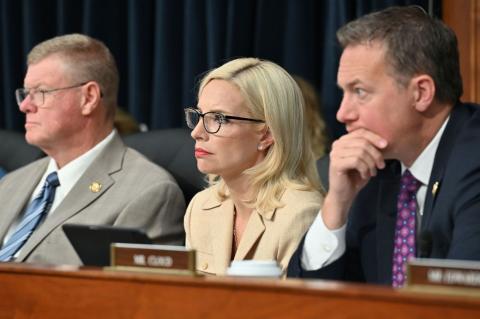
"It's not just your personal security, but it's also the IT systems that need to be updated. It's the cybersecurity [that's] constantly attacked," said Rep. Michael Cloud, as he expanded the conversation beyond physical security to the Court's broader security needs. He emphasized the importance of protecting the Court's IT systems and sensitive information, asked about the investigation into the Dobbs opinion leak, and discussed congressional oversight of the Supreme Court Police and broader issues affecting the judiciary.
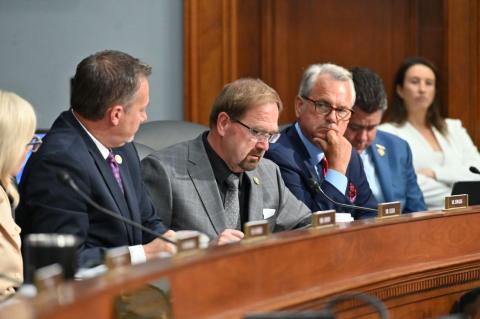
"Have you identified any other opportunities to streamline administrative functions through technology, or maybe even shared services?" said Rep. Chuck Edwards, as he focused on improving the Supreme Court's operations through technology, responsible resource management, and greater efficiency. He asked about the Court's use of emerging technologies, including AI-assisted legal research and document review tools, while emphasizing the importance of maintaining confidentiality. He also examined staffing vacancies, unresolved audit findings, and remaining SCOTUS capital investment and maintenance needs.
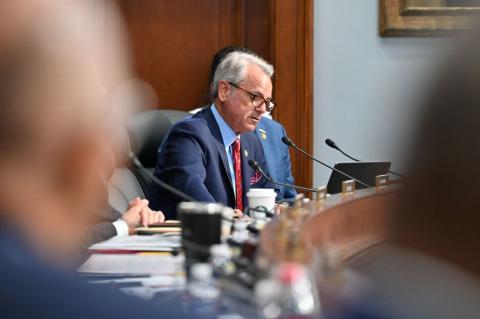
"How is the Supreme Court preparing for that evolving threat, and are there any additional authorities or resources that we should consider to make sure that you are protected?" asked Rep. Mark Alford, focusing his questions on how the Court is adapting to an evolving threat environment. He emphasized the importance of security investments such as secure access points at the Supreme Court, raised concerns about the growing risk posed by drones, and examined how security is coordinated and funded when justices travel for public events and other official engagements.
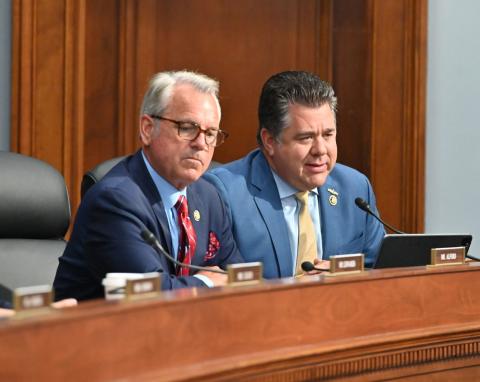
"In the world of finite budgeting, as you do more of one thing, you – by necessity – often do less of one thing. Are we missing something when we do more with security?" said FSGG Vice Chair Rep. Nick LaLota, as he examined how the Supreme Court is balancing increased security needs with its broader mission and responsibilities. He asked how the evolving threat environment has driven additional security investments, explored the Court's effort to rely more on its own police force rather than the U.S. Marshals Service, and questioned whether increased security spending creates tradeoffs that could impact the Court's ability to carry out its core functions.
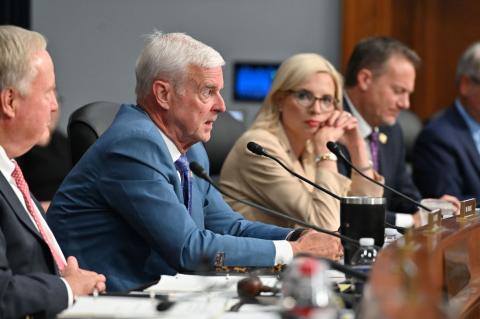
"I’m going to give you both an opportunity... to speak to the hearts and minds of these young people who one day could be sitting exactly where you’re sitting today, and give them hope that what we do in this country is part of our genius as a country," said Rep. Steve Womack, as he highlighted the importance of public engagement with the Supreme Court and the next generation of Americans. He thoughtfully used his time to recognize the young visitors attending the hearing and invited the justices to share the importance of civic participation, public service, and the Court’s role in the nation’s constitutional system.
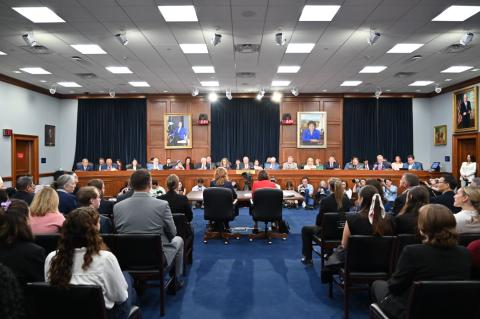
Congress exercises its Article I responsibility through the annual appropriations process by evaluating the needs of departments, assessing priorities, and ensuring resources are invested responsibly. The hearing reflected that duty, with Appropriators examining the Supreme Court's security posture, operational needs, and long-term investments to ensure the federal judiciary remains equipped to administer justice, uphold the rule of law, and faithfully carry out its constitutional mission. This public hearing builds on previous proceedings, briefings, and meetings that informed the Fiscal Year 2027 Financial Services and General Government Appropriations Act and reflects the continued commitment to thoughtful, transparent, and accountable appropriations.
###
