Recess Rewind: Inside FY27 Markups
Washington, D.C. – When the opening lines of “I’m just a bill. Yes, I’m only a bill” start, you are immediately transported to the famous Schoolhouse Rock! civics lesson. Yet, these days, what does that process actually look like in practice? The reality is the journey from an idea to a law entails far more than most realize.
Long before a bill reaches the President’s desk, much of the work of legislating unfolds inside committee rooms. There are hours of debate, amendments offered and withdrawn, roll calls and procedural questions – and plenty of strikes of the gavel. And, at Appropriations, we even have “Cardinals.”
So, with our FY27 markup season complete and the committee rooms a little quieter as we reach the end of the district work period, we’re filling in some of the blanks. Consider this your "August Recess Rewind" – a look behind the dais at the people, procedures, traditions, and moments that move an appropriations bill forward.

What Is a Markup?
A markup is the stage of the legislative process where committee members debate, amend, and vote on legislation. For appropriations bills, it is where members work through funding legislation in detail before deciding whether to advance the measure to the next stage of consideration.
Are There Specific Types of Markups?
Yes! Appropriations bills generally begin with consideration by the subcommittee responsible for that bill’s jurisdiction. At a subcommittee markup, members of that subcommittee consider the legislation, discuss its priorities, and vote on whether to advance it to the full committee. These markups are generally more streamlined – but represent an important first formal step in moving the bill forward.
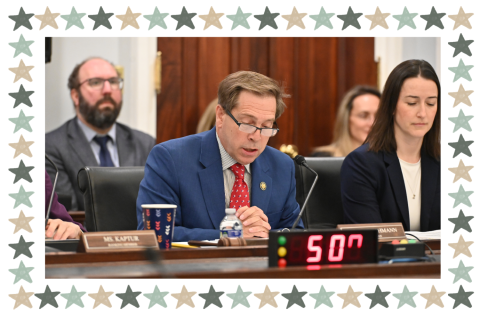
Once a measure advances, it can move to a full committee markup, where all members of the House Appropriations Committee may debate the bill, offer amendments, and vote on whether to approve it. This is where consideration can become much more extensive. Full committee markups can last for hours as members work through amendments, engage in debate, raise procedural questions, and cast recorded votes.
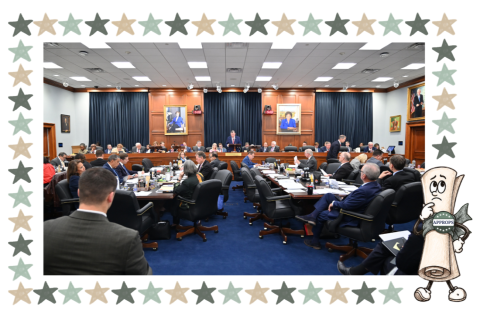
Think of it as two rounds of review: the subcommittee takes the first look, and the full committee brings the entire Appropriations roster to the table.

Meet the Man Behind the Gavel
Every congressional committee has a chairman responsible for leading its work and presiding over its proceedings. For the House Appropriations Committee, that’s Chairman Tom Cole of Oklahoma – the first Native American and the first Oklahoman to lead the Committee. He wields the gavel, recognizes members, manages debate, puts questions to a vote, and guides the Committee through each stage of consideration.
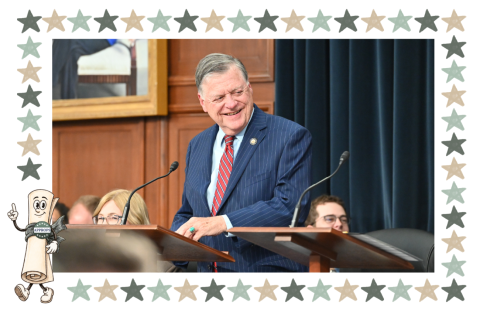
If you listen closely, you’ll begin to hear him call out certain familiar phrases: “Without objection.” “The ayes have it.” “The amendment is agreed to.” “A recorded vote is requested.” “The bill is ordered reported.” Understanding these calls offers a window into how debate becomes official action and how proceedings move forward.
What's a "Cardinal"?
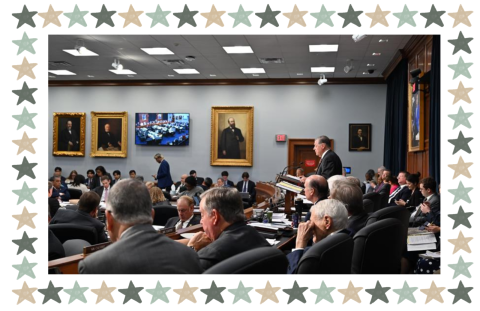
They aren’t birds. So, what is a “Cardinal”? The term dates back decades and borrows from the Catholic Church’s College of Cardinals, whose members occupy positions of considerable authority. In Congress, it became fitting shorthand for the appropriators entrusted with substantial responsibility over the federal purse. Today, our 12 Cardinals each preside over a subcommittee and take the lead in developing and advancing its annual funding bill. Every Cardinal has a different jurisdiction, a different funding bill, and the same assignment: get it across the finish line.
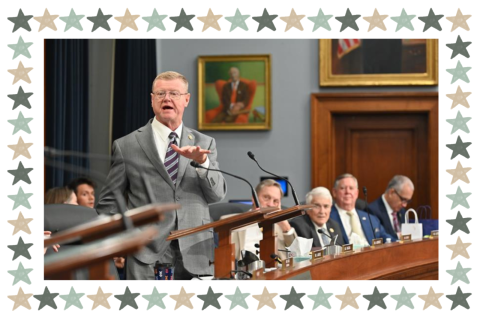
Our Cardinals, or Subcommittee Chairmen, are: Commerce, Justice, and Science, and Related Agencies Subcommittee Chairman Hal Rogers; Labor, Health and Human Services, Education, and Related Agencies Subcommittee Chairman Robert Aderholt; Interior, Environment, and Related Agencies Subcommittee Chairman Mike Simpson; Military Construction, Veterans Affairs, and Related Agencies Subcommittee Chairman John Carter; Defense Subcommittee Chairman Ken Calvert; National Security, Department of State, and Related Programs Subcommittee Chairman Mario Diaz-Balart; Transportation, Housing and Urban Development, and Related Agencies Subcommittee Chairman Steve Womack; Energy and Water Development and Related Agencies Subcommittee Chairman Chuck Fleischmann; Financial Services and General Government Subcommittee Chairman David Joyce; Agriculture, Rural Development, Food and Drug Administration, and Related Agencies Subcommittee Chairman Andy Harris; Homeland Security Subcommittee Chairman Mark Amodei; and Legislative Branch Subcommittee Chairman David Valadao.
What are Vice Chairs?
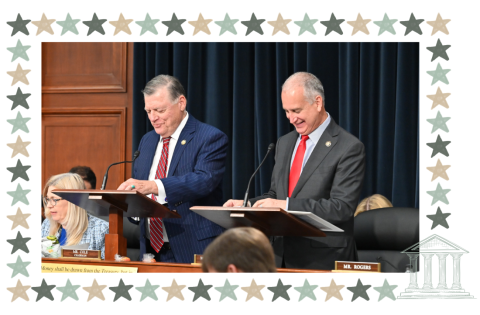
Vice chairs take on additional responsibilities within the subcommittee and work closely with experienced chairmen, providing an opportunity to deepen their knowledge of both the bill and the appropriations process. They are also crucial to whipping votes, keeping a pulse on where members stand, and helping the chairman build support for the bill throughout the legislative process.
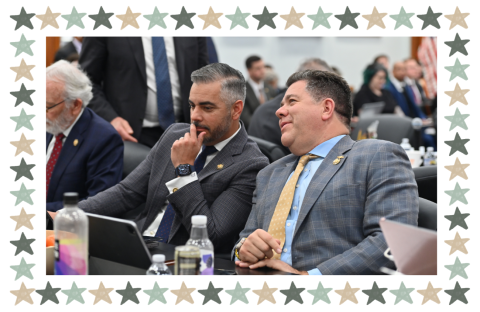
The Vice Chair of the Full Committee is Rep. Mario Diaz-Balart, and our 12 Subcommittee Vice Chairs are: Labor, Health and Human Services, Education, and Related Agencies Subcommittee Vice Chair Julia Letlow; Energy and Water Development and Related Agencies Subcommittee Vice Chair Michael Cloud; Transportation, Housing and Urban Development, and Related Agencies Subcommittee Vice Chair Stephanie Bice; Agriculture, Rural Development, Food and Drug Administration, and Related Agencies Subcommittee Vice Chair Scott Franklin; Defense Subcommittee Vice Chair Jake Ellzey; Homeland Security Subcommittee Vice Chair Juan Ciscomani; National Security, Department of State, and Related Programs Subcommittee Vice Chair Chuck Edwards; Military Construction, Veterans Affairs, and Related Agencies Subcommittee Vice Chair Mark Alford; Financial Services and General Government Subcommittee Vice Chair Nick LaLota; Commerce, Justice, and Science, and Related Agencies Subcommittee Vice Chair Dale Strong; Interior, Environment, and Related Agencies Subcommittee Vice Chair Celeste Maloy; and Legislative Branch Subcommittee Vice Chair Riley Moore.
The Dais
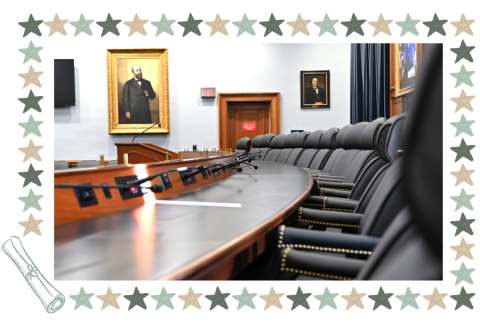
Committee seating is not random. Members on the dais are generally organized by party and seniority, reflecting their length of service on the committee and leadership roles. The chairman and ranking member sit at the center, with members arranged outward according to the committee's seating structure. Seniority can also shape leadership opportunities, including who serves as a subcommittee chairman or ranking member.
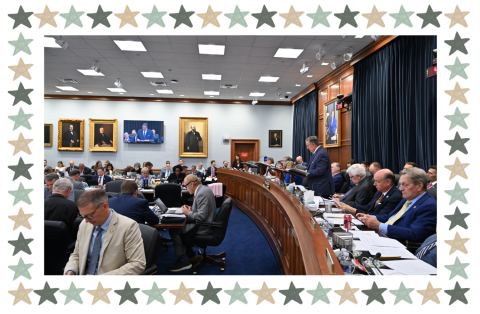
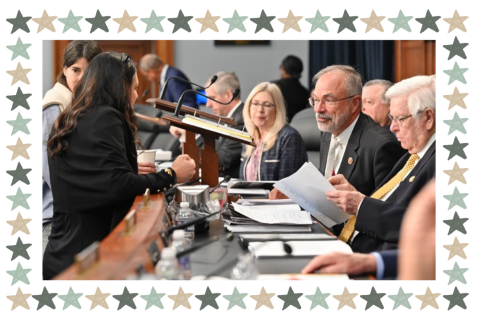
And what about the members sitting off the dais? During full committee markups, the entire Appropriations Committee comes together – and there simply isn’t room for every member at the dais. Additional members are seated at tables in front of the dais, where they participate in the same proceedings, including debate, offering amendments, and voting.
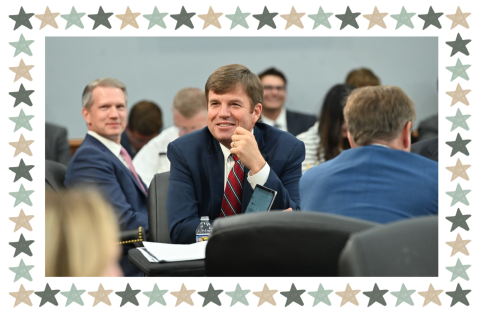
So, whether seated high on the dais or at the tables below, every committee member has a seat – and a voice – in the markup process.
Opening Statements
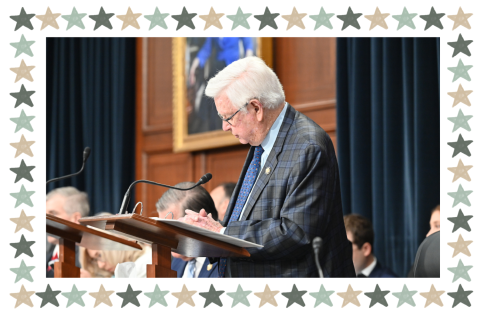
Markups begin with opening statements from committee leadership and members. These remarks explain the priorities and major funding decisions within the legislation and help frame the debate that follows. They also provide an opportunity for members to highlight how the bill affects national objectives, federal programs, and communities across the country.
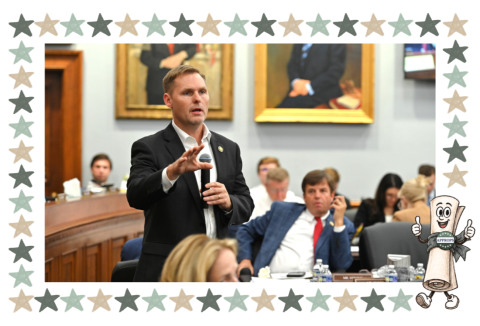
Amendments
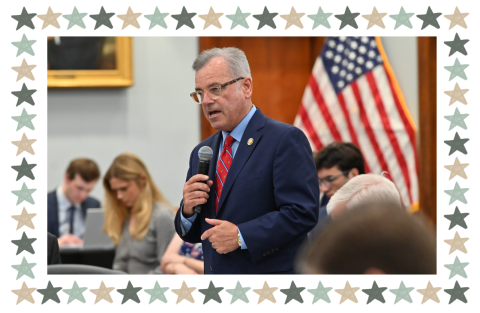
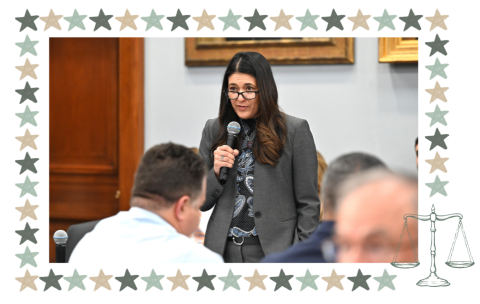
This is where members can put their own stamp on the legislation. Members may offer amendments to change funding levels, add or modify legislative language, or address specific policy priorities. Before the committee decides an amendment’s fate, members have an opportunity to debate the proposal, make their case, and respond to their colleagues. This year, we debated more than 250 amendments!
Votes
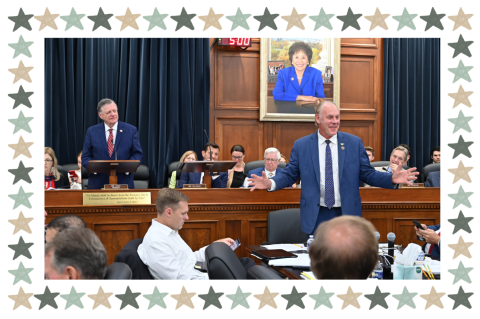
From individual amendments to the final tally on the bill itself, votes turn debate into official committee action. Some questions are decided by voice vote, with members responding “aye” or “no.” Others receive a recorded vote, where the clerk calls the roll and each member’s position is formally documented.
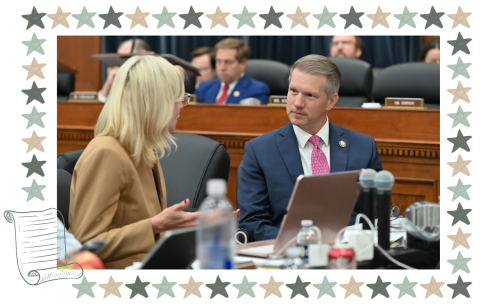
At the end of the markup, members vote on whether to report the legislation out of committee – sending the bill on to its next stage. More than 120 roll call votes were tallied during the FY27 markup season.
Additionally, we had a 100% success rate for all recommendations made by our committee chairs!

The Committee Clerk
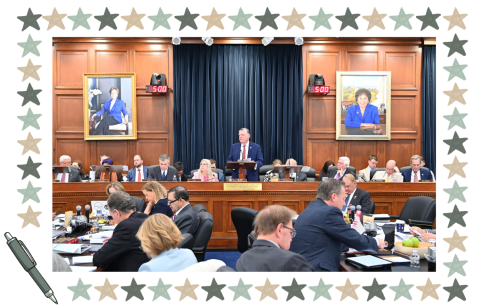
The committee clerk is central to keeping a markup moving. During proceedings, the clerk helps manage official committee records, legislative documents, amendments, and recorded votes. When a roll call vote is requested, the clerk calls members' names and records their votes, helping ensure an accurate official record of committee action. Can you spot our head clerk in this photo? Hint: She is next to Chairman Cole!
The Parliamentarian
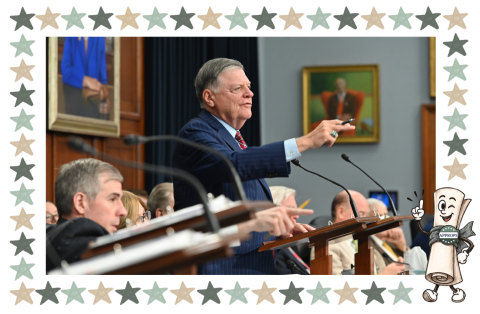
The parliamentarian advises the chairman and committee on House and committee rules, procedure, and parliamentary questions that arise during consideration of legislation. From questions about how an amendment may be offered to the proper sequence of committee business, the parliamentarian ensures proceedings follow established rules.
Committee Staff and Associates
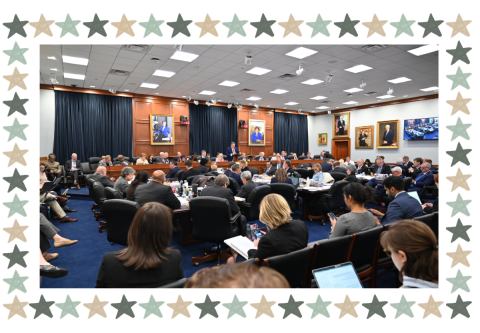
While members debate and vote from the dais, committee and associate staff help manage the operational side of markups. From ensuring the livestream is working for the public and coordinating amendments to preparing and distributing materials, tracking developments, and assisting members, nimble hands help keep the day’s proceedings organized.

Personality Nameplates
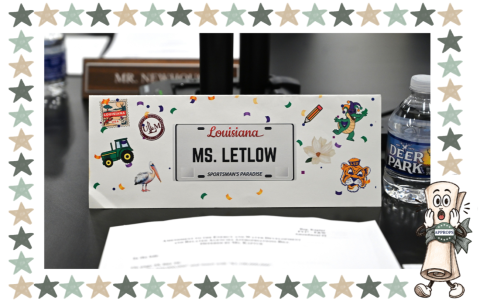
The official nameplates may identify who is sitting where, but members sometimes bring a little personality to the dais with their own custom versions – from district pride and nicknames to designs that offer a glimpse of the person behind the title.
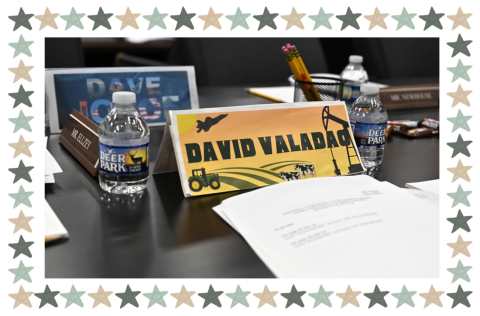
It is a small reminder that behind every seat is a member with a story, district, and unique profile!
District Fuel
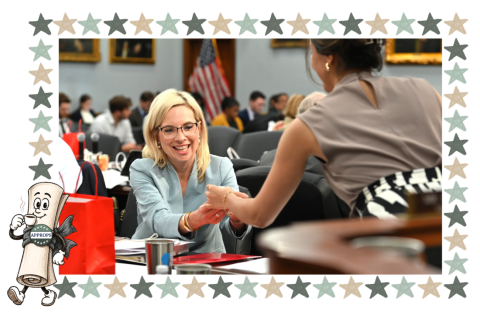
Markup days can be long, and members have been known to bring a taste of home to keep the committee going. From regional favorites to hometown staples, district snacks offer a little local flavor during hours of debate and votes. One example, and a crowd favorite, comes courtesy of Full Committee Vice Chair and NSRP Subcommittee Chairman Rep. Mario Díaz-Balart, who brings the South Florida tradition of cafecito to the committee – because long markups call for strong coffee.
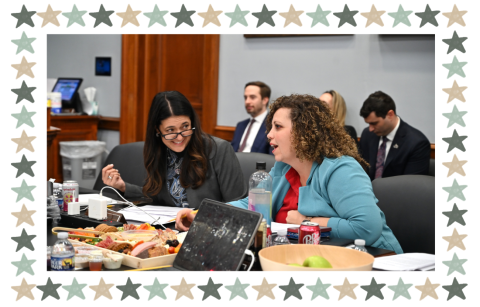
Not to be outdone, Rep. Nick LaLota of Long Island, NY, is known for his famous charcuterie boards – bringing cured meats to a committee that knows a thing or two about making smart cuts. From coffee grounds to gabagool, these are provisions everyone can agree on!
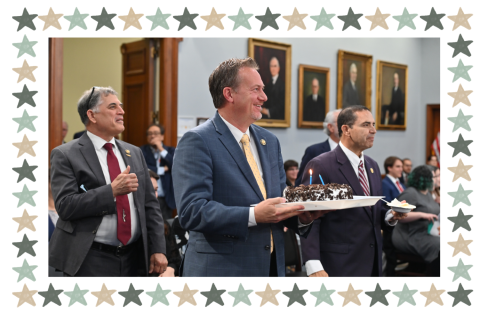
And every once in a while, there are even birthdays! Members are treated to a rendition of the famous – and always brief – Boehner birthday song, and, with any luck, a slice of cake to go with it.
All-Day Grind
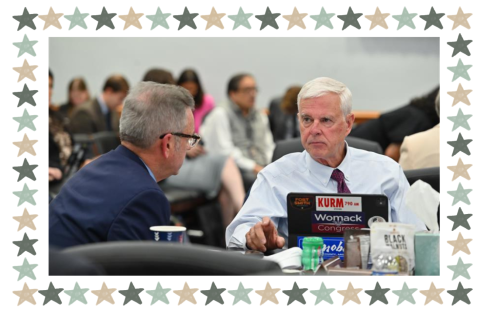
Markups are marathon events – and lend themselves to late nights and early mornings. While debate and votes continue for hours, members are often juggling meetings in the hallway, appearances at other hearings, calls, and votes on the House floor.
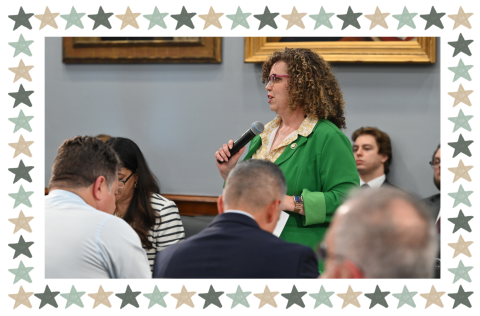
And when the committee goes into recess, don’t assume everyone is headed for a break – it often means members are headed straight to the House floor before racing back for the next amendment.
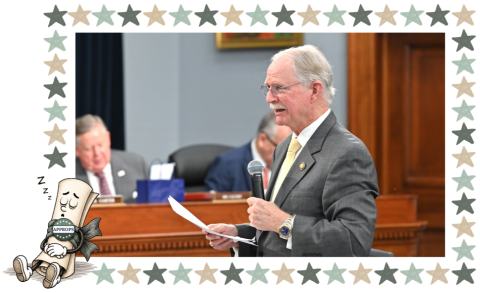
Over the course of more than 75 hours of full committee markups, members upheld regular order and did the work line by line, bill by bill.
12-for-12! Out of Committee
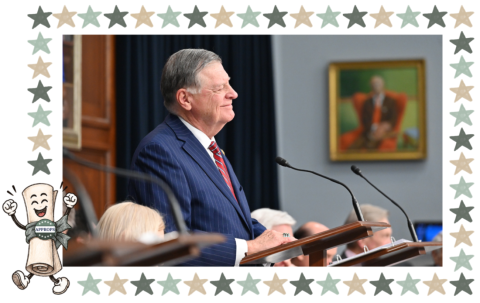
At the end of consideration, the committee votes on whether to report the bill. When legislation is “reported out of committee,” the committee has formally approved the measure and sends it forward for potential consideration by the full House. For an appropriations bill, committee approval is an important milestone.
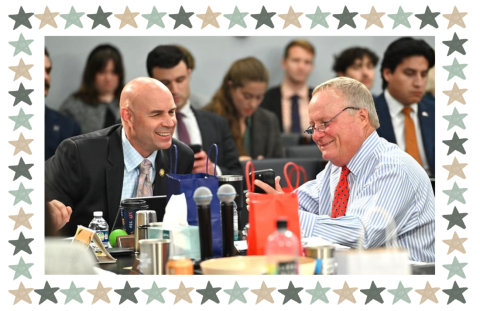
We completed our Fiscal Year 2027 markup process on June 24, reporting all twelve bills out of the full committee. This is the earliest the House Appropriations Committee has accomplished this feat since Fiscal Year 2020. The House has also passed three full-year FY27 appropriations bills.
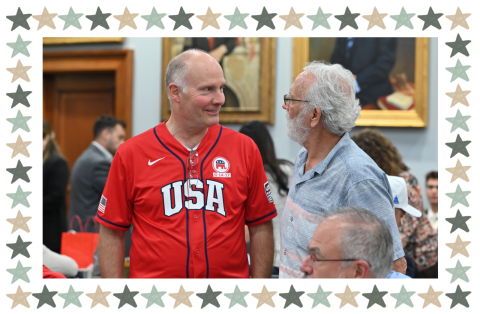
These milestones stand in stark contrast to the other side of the Rotunda, where Senate Democrats have prevented FY27 appropriations bills from advancing through committee. While the House went 12-for-12, Senate markups remain incomplete, and not a single FY27 appropriations bill has advanced out of committee due to purposeful Democrat obstruction.
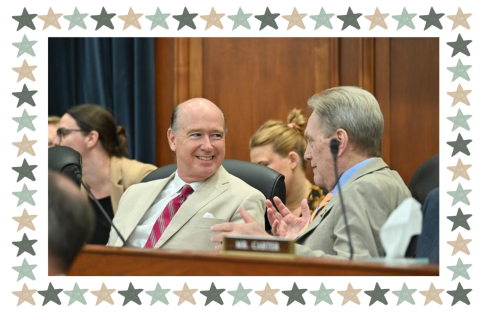
The procedures, traditions, and personalities may make each markup unique, but they all serve a larger purpose. Article I gives Congress the power of the purse, and the appropriations process is one of the most consequential ways members exercise that responsibility.
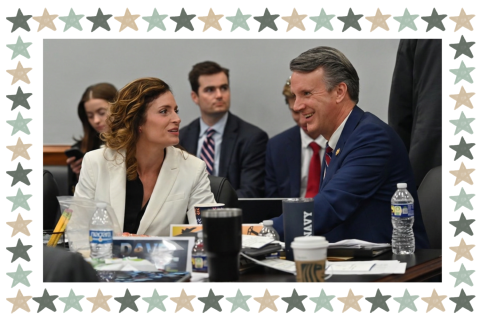
The final gavel may bring markup to a close, but it also signals that another bill has taken an important step forward in fulfilling that constitutional duty.
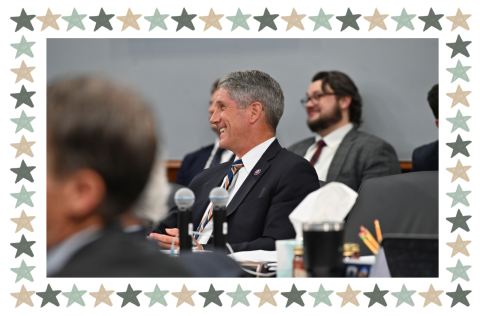
So, while Schoolhouse Rock! may have made “sitting here in committee” sound uneventful, FY27 tells a different story: twelve bills debated, amended, voted on, and reported out.

###
