Commerce, Justice, Science, and Related Agencies
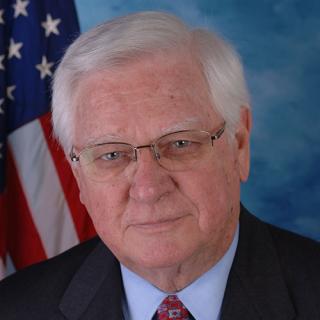
Chairman Hal Rogers
H-310 The Capitol
(202) 225-3351
Majority | Minority |
| Hal Rogers – Chair | Grace Meng - Ranking Member |
| John Carter | Glenn Ivey |
| Ben Cline | Joe Morelle |
| Andrew Clyde | Madeleine Dean |
| Mark Alford | Frank Mrvan |
| Dale Strong – Vice Chair | |
| Riley Moore | |
| Jefferson Shreve |
FY27 Outside Witness Testimony Instructions FY27 Member Day Hearing Instructions
Recent Activity
Mr. Speaker, I rise today in opposition to the Senate Amendment to H.R. 6833, a short-term continuing resolution extending government funding through December 16th.
I oppose this CR for several reasons.
First, we should be here addressing the border crisis, the energy crisis, and the inflation crisis. This bill does nothing to fix any of these issues.
Madam Chair, thank you for yielding.
The revised allocations presented today do not change the spending levels that were adopted on a party-line vote last week. Because there are no substantive changes, I must once again oppose them.
It is unacceptable to Members on my side of the aisle to underfund our national defense while giving significant increases to the same social programs that received trillions of dollars over the last year. I hope we can find common ground as these bills move to the floor.
WASHINGTON – Today, the full committee met to consider the fiscal year 2023 bills for the subcommittees on Energy and Water Development and Commerce, Justice, and Science.
Madam Chair, thank you for yielding.
First, I want to thank Chairman Cartwright and Ranking Member Aderholt for their work on the fiscal year 2023 Commerce, Justice, Science, Appropriations bill.
I also want to thank the committee staff for the time and effort they have devoted to this very important bill.
Thank you, Madam Chair.
WASHINGTON – Today, the full committee met to consider the fiscal year 2023 subcommittee spending levels, known as "302(b)" allocations. The appropriations bills for the subcommittees on Defense and Legislative Branch were also considered by the full committee.
WASHINGTON – Today, the State and Foreign Operations Subcommittee and the Commerce, Justice, and Science Subcommittee considered their appropriations bills for fiscal year 2023. The measures were reported out to the full committee with concerns raised by Republicans.
Madam Chair, thank you for yielding.
As we sit here today, inflation is 8.6 percent above last year, the highest it's been in more than 40 years. Economists are saying American households should budget an extra $5,000 this year to cover rising prices – that's over $400 a month. Many families simply cannot afford this.
Prices of everyday goods have skyrocketed over the last year under the Biden Administration. For example:
